

Select Kennedy Quotes From Article by By Brett Fortnam in Inside Critical Minerals

Establishing a mine or processing facility and developing a workforce to run it can carry “a fairly significant fixed cost,” said Mark Kennedy, the director and a senior fellow at New York University’s Development Research Institute. “You can’t make those initial investments and sustain those unless you have the financing to do so,” he said. “You can’t do that unless you have the offtake agreements. And you can’t get those unless you have someone to secure them.”
Project Vault’s pricing mechanism – the requirement that the prices at which OEMs purchase and resupply the stockpile remain constant – creates a demand signal, Kennedy said. Mineral commodity prices are volatile, he noted, and the Ex-Im financing can protect against that volatility by guaranteeing long-term support.
But that demand signal might not be strong enough to secure offtake agreements, Kennedy warned. Very few mines supply minerals to just one country, he noted, calling for a more coordinated approach among Ex-Im, the U.S. Development Finance Corporation and similar entities in partner countries.
State’s Critical Minerals Ministerial, which brought representatives from more than 50 countries to Washington, DC, was likely part of the administration’s push to coordinate with countries and establish a stronger demand signal, Kennedy contended. “Having those export credit agencies work in a coordinated way, that’s much more likely to activate a deal,” he said.
View Full Article
Development Impact: By lowering the risk premium on long-horizon mineral projects, Project Vault can crowd in private capital and accelerate trusted supply chains that create jobs and local value in partner countries. But without deeper coordination among EXIM, DFC, and allied export credit agencies, the demand signal may remain directional rather than decisive.
Author
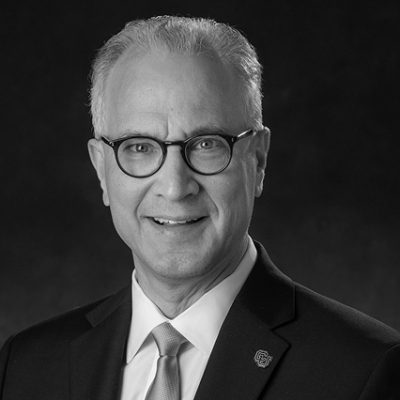
Mark Kennedy
Director - Development Research Institute